Learn To Lead Your Free Fire Squad
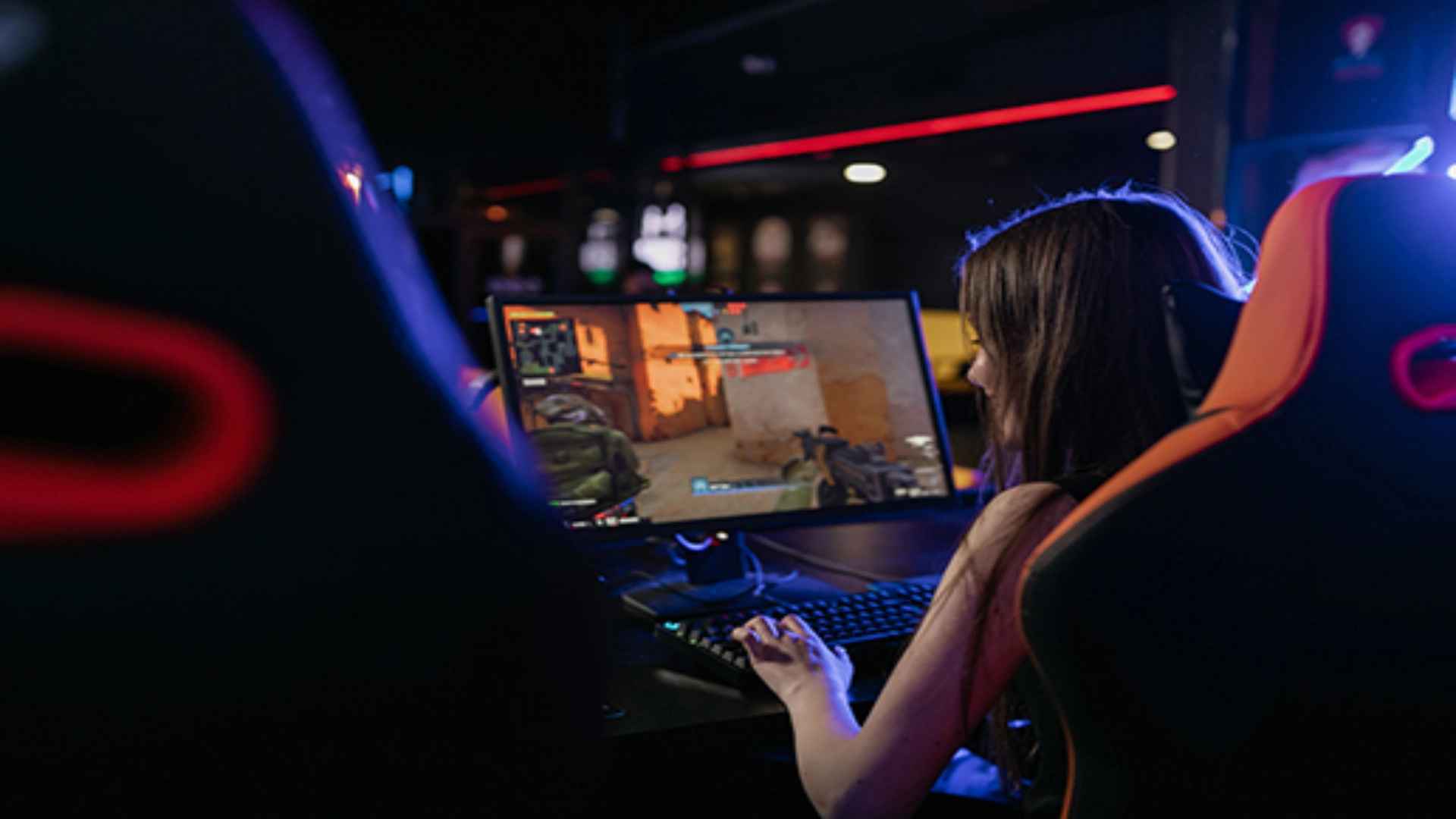
Stepping into the role of a squad leader in Garena Free Fire requires a profound shift from individual gunplay to collective coordination. While raw mechanical skill can secure single eliminations, guiding a four-player team to a Booyah demands strategic foresight and sharp operational planning. By developing your communication framework and understanding how to read the battlefield, you can transform a disjointed group into a highly disciplined competitive unit.
Establishing Clear Roles and Communication Protocol
A successful squad operates as a cohesive unit where every individual understands their distinct combat responsibilities. Effective leaders assign clear roles, such as dedicated rushers, support players, and snipers, based on each teammate's natural strengths. This structured approach prevents chaos during intense firefights and ensures maximum resource utilization.
Verbal clarity during high-pressure situations is the ultimate tool for survival on the digital battlefield. Leaders must enforce short, precise commands rather than allowing verbose discussions that clog the audio channel. Emphasizing immediate enemy positions, shield health status, and utility cooldowns keeps the entire team aligned.
Mastering Strategic Drop Zones and Map Flow
The definitive momentum of a match is established the moment your team leaves the plane. A calculated drop sets the tone for your early-game resource accumulation while minimizing unnecessary early skirmishes. Leaders should choose landing spots that balance adequate gear availability with geographical defensive advantages.
Predicting where rival teams will rotate requires a deep understanding of shifting play zones and map layouts. Keeping a close eye on the minimap allows the leader to identify active conflict zones via sound cues and red dots. Moving early to secure high-ground positions within the safe zone shields your squad from unexpected ambushes.
Executing Synchronized Pushes and Dynamic Defense
Winning direct engagements requires a balanced combination of aggressive movement and defensive utility management. When launching an assault, support players must provide suppressive cover fire while the primary attackers advance to pressure the opponent. This synchronized timing prevents the enemy from isolating and eliminating your teammates one by one.
Mastering the rapid deployment of Gloo Walls is vital for surviving unpredictable crossfires in the open field. A great leader orchestrates defensive lines, ensuring that medical treatments and revives happen safely behind structured cover. Learning to control the tempo of engagements allows you to dictate the terms of every battle.
Fostering Team Trust and Analytical Growth
Building long-term consistency relies heavily on maintaining a constructive mindset across multiple matches. When a drop sequence goes wrong or high-tier weaponry remains scarce, emotional control separates elite leaders from casual players. Fostering psychological safety within the group encourages squad members to share critical knowledge openly.
True competitive growth comes from treating each match as a learning laboratory for tactical experimentation. Analyzing strategic mistakes after a defeat allows the squad to identify structural vulnerabilities in their positioning or decision-making. Dedication to continuous adaptation ensures steady progress on the journey toward mastering team coordination.